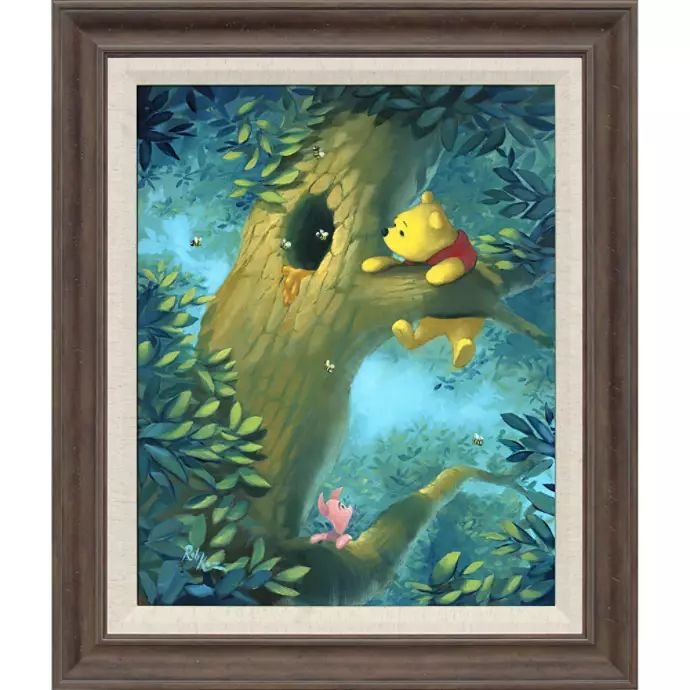
There's a certain magic to discovering a forgotten friend, especially when that friend is Winnie the Pooh. For collectors and sentimentalists alike, Vintage Winnie the Pooh Merchandise & Toys aren't just relics; they're cherished pieces of childhood, tangible links to simpler times. From the gentle illustrations of E.H. Shepard to the iconic Disney interpretations, Pooh and his pals from the Hundred Acre Wood have captivated hearts for generations, making their vintage counterparts highly sought-after treasures in today's market.
If you’re looking to dive into the wonderful world of classic Pooh, understanding what makes an item truly vintage, where to find authentic pieces, and how to care for them is essential. Think of me as your seasoned guide, sharing insights from years of navigating the whimsy and wisdom of the Hundred Acre Wood collecting scene.
At a Glance: Your Guide to Vintage Pooh Collecting
- "Vintage" Varies: While some define it as pre-1960s, for Pooh, it often includes early Disney items from the 1960s-1980s, especially those less mass-produced.
- Condition is Key: Pristine pieces command higher prices, but even well-loved items have charm and value. Always prioritize condition over sheer rarity.
- Original Manufacturers Matter: Look for names like Gund, Knickerbocker, Ideal, and early Disney branding (Sears, Mattel) to identify authentic vintage toys.
- Beyond Plush: Collecting extends far beyond stuffed animals to books, figurines, ceramics, games, and even household items.
- Nostalgia Drives Value: The emotional connection often dictates what collectors are willing to pay, making some items surprisingly valuable.
- Research is Your Friend: Before buying, always verify details through reliable guides, collector forums, or reputable online listings.
Why Vintage Pooh Continues to Captivate
The enduring appeal of Winnie the Pooh, Piglet, Tigger, Eeyore, and the rest of the gang isn't accidental. It’s rooted in the timeless themes of friendship, adventure, and the simple joys of life that A.A. Milne penned and E.H. Shepard so beautifully illustrated. When Walt Disney acquired the rights and introduced Pooh to a new generation through animated shorts starting in the 1960s, the character’s global footprint exploded.
This dual lineage — the original literary charm and the widely recognized Disney magic — creates a rich collecting landscape. Vintage items from both eras carry a distinct nostalgia. Early Shepard-inspired merchandise holds a literary reverence, appealing to those who grew up with the books. Simultaneously, early Disney Pooh items evoke memories of childhood cartoons and visits to Disneyland, tapping into a broader pop culture consciousness. The scarcity of these older items, combined with their strong emotional pull, ensures their continued desirability.
Defining "Vintage" in the Hundred Acre Wood
The term "vintage" can be a bit fluid in the collectibles world, but for Winnie the Pooh, it generally refers to items produced from the earliest days of his existence up through the 1980s. This period often predates the intense mass-merchandising that began in the 1990s, when Pooh became ubiquitous on everything from baby clothes to kitchenware.
The Key Eras to Watch For:
- Pre-Disney Era (1920s-1960s): These are the true rarities, stemming directly from A.A. Milne's books. Think early editions with Shepard's original illustrations, or rare plush toys by British manufacturers like Chad Valley. Such items are exceptionally scarce and command premium prices.
- Early Disney Acquisition Era (1960s-Early 1970s): This period saw Disney introduce Pooh to American audiences. Merchandise often features the classic, hand-drawn animation style. Key manufacturers like Gund, Knickerbocker, and Sears produced high-quality plush toys and figurines. These are often the sweet spot for many collectors, balancing authenticity with relative availability.
- Mid-to-Late Disney Era (Mid-1970s-1980s): As Pooh’s popularity grew, so did the variety of merchandise. You’ll find more mass-produced items, but many still retain a distinct vintage charm. Brands like Mattel, Ideal, and various ceramic companies created a wide array of products. The shift in animation style (more standardized) also begins to influence the aesthetics.
Understanding these timelines helps you identify not just if an item is "old," but where it fits into Pooh's history and what its likely provenance and value might be.
Unearthing Treasures: What Types of Vintage Pooh Merchandise Exist?
The sheer variety of Vintage Winnie the Pooh Merchandise & Toys is astonishing, reflecting Pooh’s broad appeal across different generations and product categories. It’s not just about the plush bears; the Hundred Acre Wood extended into nearly every conceivable item.
Top Categories for Collectors:
- Plush Toys:
- Early Gund/Knickerbocker/Sears: These are often highly sought after. Look for distinct features: older facial expressions, felt noses, sometimes glass eyes (though later plastics were more common), and original tags or labels. Knickerbocker's Poohs from the 1960s and 70s, with their classic styling, are particularly beloved.
- Chad Valley (UK): True pre-Disney vintage, these British-made bears closely resemble Shepard's original drawings. Extremely rare and valuable.
- Disney Store Originals: Even early Disney Store plush (late 70s-early 90s) can be considered vintage, distinct from current mass-market offerings.
- What to look for: Intact stitching, original clothes (Pooh's red shirt, Piglet's green jumper), manufacturer tags.
- Figurines and Statues:
- Ceramic/Porcelain: Companies like Walt Disney Classics Collection (WDCC) for later, higher-end pieces, but also earlier ceramic manufacturers produced charming pieces. Disney character "Big Figs" from the 70s and 80s are often quite detailed.
- Plastic/PVC: Small, often hand-painted figures, popular as cake toppers or play sets. Collectible when found in good condition, especially complete sets.
- What to look for: No chips, cracks, or significant paint loss. Intact bases and any original box or packaging.
- Books and Ephemera:
- First Editions/Early Printings: The original A.A. Milne books with E.H. Shepard illustrations are always valuable. Look for publishing details, dust jackets, and condition.
- Little Golden Books/Picture Books: Early Disney Pooh storybooks are plentiful but beloved, especially those with vibrant illustrations.
- Comics/Magazines: Any vintage Disney comic featuring Pooh, or magazine appearances.
- Promotional Materials: Original movie posters, lobby cards, advertisements, or even event tickets can be fascinating additions.
- What to look for: Unmarked pages, intact spines, and original dust jackets for hardcovers.
- Ceramics and Glassware:
- Mugs, Plates, Tea Sets: Many companies produced Pooh-themed dinnerware. Older items often feature more intricate designs or hand-painted details.
- Cookie Jars: A popular collectible category, with Pooh cookie jars from the 70s and 80s being quite common but still charming.
- What to look for: No chips, cracks, or significant fading of decals.
- Games and Puzzles:
- Board games, card games, and jigsaw puzzles featuring Pooh from the vintage eras. Complete sets are more valuable.
- What to look for: All pieces present, original box in good condition, instructions included.
- Household Goods and Decor:
- Lamps, Clocks, Wall Art: Children's room decor from past decades.
- Bedding/Curtains: While hard to find in good condition, vintage Pooh textiles are delightful.
- What to look for: Functionality for lamps/clocks, clean textiles without significant wear or fading.
- Apparel and Accessories:
- T-shirts, Sweatshirts, Buttons: Less common in good condition due to wear, but a truly vintage Pooh shirt can be a gem.
- Pins/Badges: Often sold at Disney parks or other events.
- What to look for: Intact graphics, minimal staining or holes.
Remember, the thrill of collecting often lies in the diversity. You might start with a favorite plush and soon find yourself intrigued by a vintage Pooh record or a rare piece of nursery decor. To further Explore Vintage Winnie the Pooh, consider joining online communities or local collector groups.
The Hunt: Where to Find Your Vintage Pooh Pals
Finding genuine Vintage Winnie the Pooh Merchandise & Toys requires a keen eye and a bit of patience. While new Pooh merchandise is everywhere, tracking down authentic vintage pieces means looking in specific places.
Top Hunting Grounds:
- Online Marketplaces:
- eBay: Still a powerhouse for vintage collectibles. Use specific search terms like "vintage Winnie Pooh plush 1960s" or "Knickerbocker Pooh." Pay close attention to seller ratings, detailed photos, and item descriptions. Always ask for more photos if unsure.
- Etsy: While known for handmade items, Etsy also has a thriving vintage section. Many sellers specialize in nostalgic finds. You might discover unique, less common items here.
- Dedicated Collector Forums/Facebook Groups: These communities often have "for sale" sections where members trade or sell items directly. This can be great for connecting with knowledgeable sellers.
- Antique Malls & Shops: These physical locations are treasure troves. Items are often curated, and you can inspect them firsthand for condition and authenticity. Don't be afraid to politely ask if they have any "back stock" or upcoming Pooh items.
- Flea Markets & Garage Sales: These require more digging but can yield incredible bargains if you know what to look for. Early bird gets the Pooh!
- Estate Sales: Often overlooked, estate sales can be fantastic because you're buying directly from a home, and sometimes entire collections are liquidated. Look for sales from older individuals or families who might have cherished childhood items.
- Specialty Toy/Collectible Stores: Some brick-and-mortar stores specialize in vintage toys. While prices might be higher, the items are often authenticated and in good condition.
Authenticating Your Pooh: Marks, Materials, and Red Flags
Distinguishing a genuine vintage Pooh item from a modern reproduction or even a clever fake is crucial for any serious collector. It often comes down to scrutinizing manufacturer marks, understanding materials, and recognizing stylistic cues.
Key Authentication Markers:
- Manufacturer Tags/Labels:
- Plush Toys: Look for sewn-in cloth tags. Early tags are often simpler, perhaps just a name (Gund, Knickerbocker, Ideal Toy Corp., Sears, Disney) and a copyright date (e.g., "© Walt Disney Productions"). The font and styling of these tags change over time.
- Figurines/Ceramics: Check the base or bottom for imprinted or stamped manufacturer names, copyright dates, and sometimes a country of origin (e.g., "Japan," "Hong Kong," "USA").
- Books: The publishing page will detail the publisher, copyright date, and edition.
- Materials & Construction:
- Plush: Older plush toys often feel different. Early synthetics might feel coarser than modern ultra-soft plush. Fillings can vary (kapok, excelsior, foam, later polyester fiberfill). Stitching can be thicker or more hand-done on very early pieces.
- Eyes: Early plush often featured glass or hard plastic eyes. Painted eyes were also common. Look for how they're attached.
- Fabrics: Pooh's signature red shirt in vintage plush might be felt, cotton, or an early poly-blend, not necessarily the soft fleece of today.
- Figurines: Vintage plastic or ceramic pieces might have a different weight or finish than modern counterparts.
- Stylistic Cues:
- Facial Expressions: The early Disney Pooh has a very distinct, almost naive or shy expression, different from the more boisterous or stylized modern versions. E.H. Shepard's Pooh has a very particular, often sweet and slightly melancholic, look.
- Color Palettes: Vintage items often use slightly more muted or specific color schemes than today's vibrant, often primary-heavy palettes.
- Overall Design: Does it match known examples of vintage Pooh items from that era? Familiarize yourself with image galleries of authentic pieces.
- Copyright Dates: Always verify the copyright date on the item. This is usually the most reliable indicator of its age, though it refers to the design, not necessarily the exact year of manufacture.
- Condition Discrepancies: Be wary of items that claim to be very old but show no signs of age, or conversely, items that are heavily distressed but lack consistent wear patterns.
Red Flags to Watch For:
- Missing Tags: While not always a deal-breaker, missing tags make authentication harder and can reduce value.
- Generic Packaging: If an item is in a generic box or plastic bag, it might not be original.
- Unfamiliar Brand Names: If you can't find any information on the manufacturer, proceed with caution.
- "Retro" or "Reproduction" Labels: Some modern items are designed to look vintage; these should be clearly labeled as such.
- Too Good to Be True Prices: If an item seems suspiciously underpriced for its alleged rarity, it likely is.
Condition is King: Assessing Value and Preservation
When collecting Vintage Winnie the Pooh Merchandise & Toys, condition isn't just a detail; it's arguably the most critical factor influencing value and desirability. A rare item in poor condition might be less valuable than a common item in pristine shape.
Understanding Condition Grading:
- Mint Condition (C10): As if new, with original tags/packaging, no flaws. Extremely rare for true vintage.
- Near Mint (C9): Minor, almost imperceptible flaws. Still looks fantastic.
- Excellent (C7-C8): Minor wear, light fading, small scuffs, but overall very presentable.
- Very Good (C5-C6): Noticeable wear, some fading, minor staining, but still intact and recognizable.
- Good (C3-C4): Significant wear, possible rips, tears, heavy fading, missing accessories.
- Fair/Poor (C1-C2): Heavily damaged, incomplete, suitable mainly for parts or extensive restoration.
What to Inspect:
- Plush Toys:
- Fabric: Look for tears, holes, frayed seams, matting of fur, pilling, and discoloration or fading.
- Stuffing: Is it firm or lumpy? Any signs of internal damage or mold?
- Eyes/Nose: Are they securely attached? Scratches, chips, or missing pieces?
- Clothing: Is Pooh's shirt original? Any rips, stains, or missing buttons?
- Tags: Are they present and legible?
- Figurines/Ceramics:
- Chips/Cracks: Run your finger along edges and check for hairline cracks.
- Paint Loss: Look for flaking, rubbing, or fading of painted details.
- Repairs: Sometimes repairs are done poorly and can be detected by uneven surfaces or mismatched paint.
- Books:
- Spine: Intact or cracked/torn?
- Pages: Any rips, folds, water damage, or markings?
- Dust Jacket: Present and in good condition? (Adds significant value).
- Original Packaging: For many items, especially toys, the original box or packaging in good condition can dramatically increase value. It confirms the item's origin and often indicates it was well-preserved.
Caring for Your Hundred Acre Wood Friends
Once you've acquired your Vintage Winnie the Pooh Merchandise & Toys, proper care is paramount to preserving their condition and value for years to come. These items aren't just collectibles; they're often delicate pieces of history.
Best Practices for Preservation:
- Cleaning with Care:
- Plush Toys: Spot cleaning with a mild, pH-neutral detergent and distilled water is usually best. Use a clean, white cloth. Avoid harsh chemicals, hot water, or machine washing, which can damage fabric, dyes, and stuffing. For deeper cleaning, consult a professional textile conservator.
- Figurines/Ceramics: Gently dust with a soft brush or micro-fiber cloth. For dirt buildup, a very lightly dampened cloth can work, but avoid submerging or using abrasive cleaners.
- Books: Use a dry, soft brush to remove dust. For stains, consult a book restorer. Never use harsh chemicals.
- Display and Storage:
- Avoid Direct Sunlight: UV rays cause fading and material degradation. Display items away from windows or use UV-protective glass in display cases.
- Control Temperature & Humidity: Extreme fluctuations can damage materials. Aim for a stable environment (around 68-72°F and 40-50% relative humidity). High humidity can lead to mold; low humidity can cause cracking.
- Dust Protection: Display cases or enclosed shelving keep dust away, which is an abrasive and can attract pests.
- Support Plush Toys: Don't let plush toys sag or sit in awkward positions for long periods, as this can distort their shape or stress seams. Use acid-free tissue paper for internal support if needed for storage.
- Acid-Free Materials: When storing or packaging items, use acid-free tissue paper, boxes, and plastic bags (like archival Mylar or polypropylene) to prevent chemical degradation over time.
- Avoid Attics/Basements: These areas typically have uncontrolled temperature and humidity, making them unsuitable for long-term storage of vintage items.
- Handling:
- Always handle vintage items with clean hands, or even white cotton gloves, to avoid transferring oils and dirt.
- Lift items carefully, supporting them from the base rather than by fragile parts.
Frequently Asked Questions About Vintage Pooh Collectibles
Collectors, both seasoned and new, often have similar questions about Vintage Winnie the Pooh Merchandise & Toys. Here are some common inquiries:
Q: How can I tell if my Winnie the Pooh toy is truly vintage?
A: Look for manufacturer tags or stamps with copyright dates (e.g., "© Walt Disney Productions" with a year from the 60s, 70s, or 80s). Also, check for classic manufacturers like Gund, Knickerbocker, or Sears. The style and materials will often feel different from modern toys. Compare it to authenticated vintage images online.
Q: What's the difference between a Disney Pooh and an E.H. Shepard Pooh?
A: An E.H. Shepard Pooh is based on the original illustrations from A.A. Milne's books. He often looks a bit softer, perhaps more contemplative, and generally lacks the bright red shirt (which was a later addition, though he does have one in some earlier colorized editions). Disney Pooh, introduced in the 1960s, has a more defined, animated look, often with a brighter red shirt and a more consistent, joyful expression.
Q: Are vintage Pooh items a good investment?
A: Like many collectibles, the "investment" potential varies. True rarities (like very early Shepard-era items or pristine, limited-edition Disney pieces) can appreciate significantly. However, most vintage Pooh items are bought for nostalgic and emotional value rather than as pure financial investments. Their value tends to hold steady or see modest increases, largely driven by collector demand. Buy what you love, and any appreciation is a bonus.
Q: Where should I get my vintage Pooh valued?
A: For common items, comparison shopping on eBay (filter by "sold listings") can give you a general idea. For rarer or higher-value pieces, seek out professional appraisers specializing in vintage toys or Disneyana. Avoid relying solely on online "what's it worth" sites without expert verification.
Q: My vintage Pooh toy is damaged. Should I repair it?
A: This is a tricky one. For significant tears or structural issues, a professional conservator or restorer can sometimes perform repairs that maintain or even enhance value. However, amateur repairs can decrease value. For minor wear, many collectors prefer the "loved" look rather than a potentially botched repair. Always consult an expert before attempting any restoration.
Q: Are modern "retro-style" Pooh items considered vintage?
A: No. While modern manufacturers might produce items designed to evoke a vintage feel, they are not truly vintage themselves. True vintage items were produced during the original historical period. "Retro" or "reproduction" items should be clearly labeled as such and are generally less valuable than authentic vintage pieces, unless they are limited editions themselves.
Starting Your Own Hundred Acre Wood Collection
Embarking on a journey to collect Vintage Winnie the Pooh Merchandise & Toys is more than just accumulating objects; it's about reconnecting with a cherished past, appreciating artistic craftsmanship, and becoming part of a passionate community. Whether you're seeking a specific plush toy that reminds you of your childhood or a rare piece of memorabilia, the thrill of the hunt and the joy of discovery are truly unique.
Begin by identifying what aspects of Pooh history appeal most to you. Are you drawn to the literary roots, the early Disney animation, or perhaps a particular character? Set a budget, do your research, and always prioritize condition and authenticity. With a little patience and a lot of heart, you'll soon find your own corner of the Hundred Acre Wood, filled with cherished memories and timeless friends. Happy hunting!