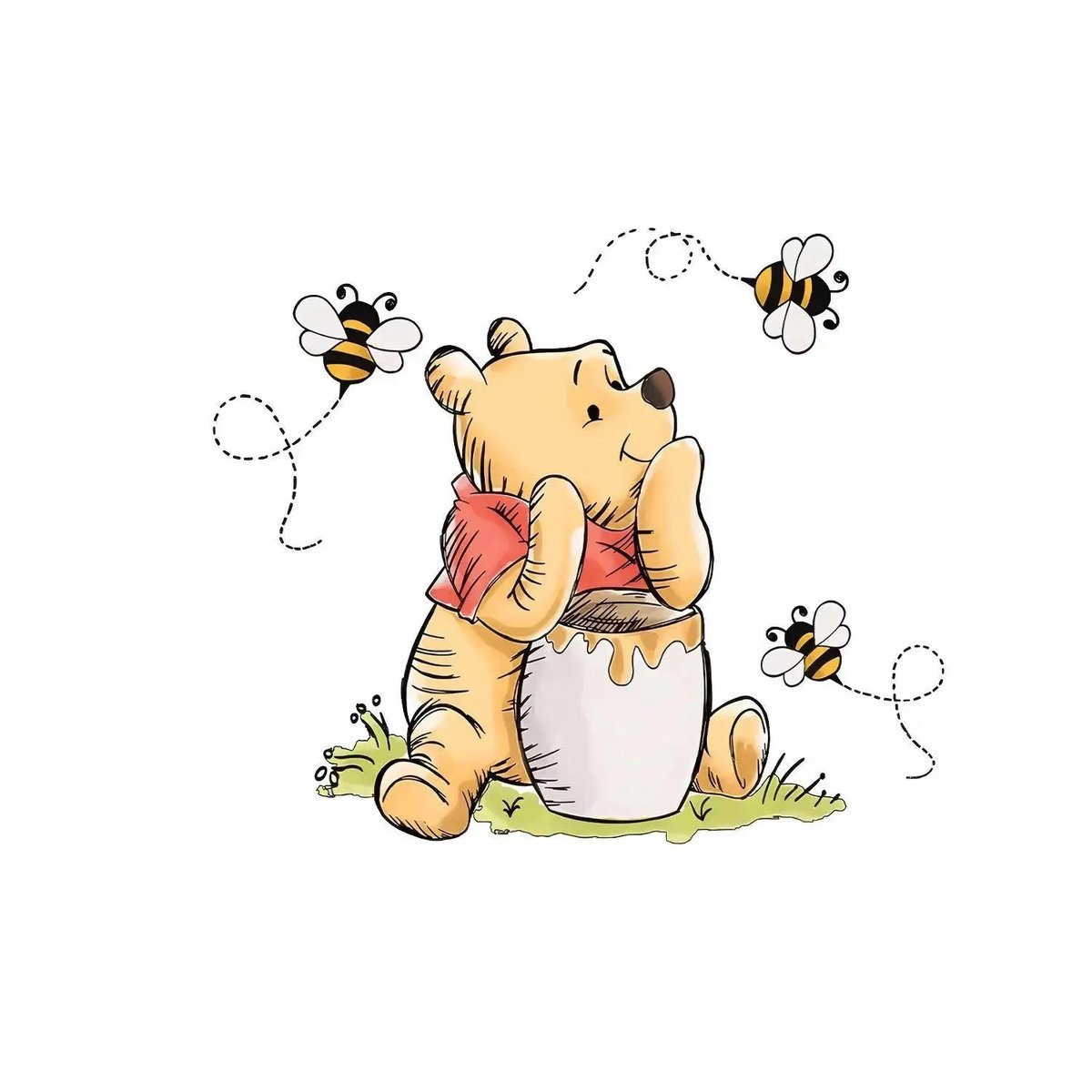
The gentle hum of nostalgia, a whisper of childhood wonder, and the timeless embrace of friendship – that's what Vintage Winnie the Pooh Art & Decor brings into any space. It’s more than just a collection of items; it's an invitation to rediscover the comforting simplicity of the Hundred Acre Wood, transforming your home into a haven of warmth and cherished memories.
At a Glance: Your Guide to Vintage Pooh Decor
- Emotional Connection: Vintage Pooh decor offers a tangible link to childhood and a sense of enduring innocence.
- Defining "Vintage": Focus on items from the 1920s-1990s, especially those reflecting A.A. Milne's original illustrations or early Disney adaptations.
- Authenticity is Key: Learn to identify genuine pieces through hallmarks, signatures, and material quality to avoid reproductions.
- Where to Find: Explore online marketplaces, antique shops, estate sales, and specialist dealers for unique finds.
- Decorating Ideas: From subtle nods in adult spaces to enchanting nurseries, vintage Pooh fits a range of aesthetic styles.
- Preservation Matters: Understand how to care for delicate items to maintain their condition and value.
- More Than Just Decor: Some rare pieces can hold significant monetary value, making them potential investments.
Why Vintage Pooh? The Enduring Allure of the Hundred Acre Wood
There's a unique magic to Winnie the Pooh, a quiet wisdom found in the simple adventures of a bear of very little brain and his friends. This magic transcends generations, making vintage Pooh decor not just aesthetically pleasing but deeply resonant. It speaks to a universal desire for comfort, kindness, and the enduring power of imagination.
For many, acquiring a piece of vintage Winnie the Pooh art or decor is like bringing a cherished memory to life. It’s a tangible link to story time, to beloved books with well-worn pages, and to the innocent curiosity that characterized our younger years. These pieces often carry the subtle patina of age, adding layers of story and history that modern reproductions simply cannot replicate. They don't just decorate a room; they imbue it with a sense of peace, whimsy, and a timeless narrative that feels perpetually relevant.
Defining "Vintage": What to Look For
When we talk about "vintage" Winnie the Pooh, we're generally referring to items produced from the 1920s (following A.A. Milne's original books) up through the mid-to-late 20th century, typically before the mass-market proliferation of licensed merchandise in the late 1990s and early 2000s. This broad period encompasses a rich variety of styles and interpretations, each with its own charm and appeal.
- The Milne Era (1920s-1960s): These are the earliest pieces, often reflecting E.H. Shepard's iconic illustrations. Think original book plates, small figurines, or handcrafted items inspired directly by the books. They tend to be rarer and can command higher prices.
- Early Disney Adaptations (1960s-1980s): After Disney acquired the rights, their distinct animation style brought Pooh to a new generation. Vintage decor from this period features the classic Disney Pooh we often recognize today, with rounder features and vibrant colors. This era includes ceramic figures, wall art, lamps, and textile items.
- Later Mid-Century & Nostalgic Revivals (1980s-1990s): This period saw a continuation of Disney Pooh items, sometimes with a slightly softer, more pastel palette. You might find musical boxes, limited edition prints, or classic plush toys that still retain that beloved vintage feel.
Understanding these eras helps you not only identify the age of an item but also appreciate the artistic nuances that differentiate one piece from another. Vintage art often refers to framed prints, illustrations, or paintings, while decor encompasses a broader range, including figurines, lamps, textiles, and functional objects.
Spotting Authentic Treasures: A Collector's Checklist
The thrill of finding a genuine vintage Winnie the Pooh piece is unparalleled. However, the market is also flooded with reproductions and modern items masquerading as older ones. Knowing how to differentiate the real deal from a clever imitation is crucial.
First, always examine the item for signatures, artist marks, or company hallmarks. Many vintage items, especially ceramics or limited-edition prints, will have a clear stamp or mark indicating the manufacturer (e.g., Walt Disney Productions, Schmid, Goebel) and sometimes a copyright date. Early Disney items often use "Walt Disney Productions" or "Disney Japan" for figurines. Look for clues about the manufacturing location and year. The absence of these marks doesn't always mean it's fake, especially for handmade or very early items, but their presence is a strong indicator of authenticity.
Consider the materials and craftsmanship. Older items often feature higher quality materials and more intricate detailing than their modern counterparts. For instance, vintage ceramic figurines might feel heavier and have a more nuanced glaze than newer resin versions. Wooden items might show hand-carved details or older staining techniques. Plush toys from the mid-century might use different stuffing materials or stitching methods.
Condition grading is also vital. A piece in "mint" condition (like new) will be more valuable than one that's "good" (minor wear) or "fair" (significant wear). Look for chips, cracks, fading, stains, or repairs. A small amount of age-appropriate wear is normal for vintage items and often adds to their charm, but significant damage can drastically reduce value.
Finally, be wary of common fakes and reproductions. Some unscrupulous sellers might intentionally age new items or misrepresent their origin. If a deal seems too good to be true, it often is. Research similar items online, compare images, and check for consistent details. For comprehensive guidance, you can explore tips for identifying authentic vintage items to sharpen your detective skills.
Where the Wild Things Are (aka, Where to Find Vintage Pooh)
The hunt for vintage Winnie the Pooh art and decor is part of the adventure! While it requires patience and a keen eye, the rewards of discovering a unique piece are immense.
Online Marketplaces: Your first stop will likely be digital.
- Etsy: A fantastic resource for unique, often hand-curated vintage items. Many sellers specialize in vintage decor and are knowledgeable about their inventory. You can find everything from original book pages to ceramic figures and nursery art.
- eBay: A vast auction site that can yield incredible finds if you're patient and know what you're looking for. Use specific keywords (e.g., "Winnie Pooh ceramic 1970s," "E.H. Shepard print") to narrow your search. Always check seller ratings and read descriptions carefully.
- Specialized Vintage & Collectibles Sites: Beyond the big names, there are niche websites and forums dedicated to Disneyana or children's book collectibles. These often feature more curated, higher-end pieces.
Brick-and-Mortar Treasures: Don't underestimate the joy of an in-person discovery. - Antique Shops & Malls: These are treasure troves where you can physically examine items, assess their condition, and sometimes negotiate prices. Keep an eye out for dedicated "collectibles" or "children's items" sections.
- Estate Sales & Flea Markets: Often the best places for unexpected finds at bargain prices. The inventory changes constantly, so regular visits are key. Arrive early for the best selection!
- Thrift Stores & Charity Shops: While less common to find truly rare pieces, you might stumble upon well-loved, charming vintage Pooh items that are perfect for a nursery or a casual display.
Remember, responsible collecting includes ethically sourcing vintage items. Always be respectful of sellers, ask questions, and ensure you're contributing to a sustainable cycle of appreciation for pre-loved goods.
Curating Your Hundred Acre Haven: Decorating with Vintage Pooh
One of the most appealing aspects of vintage Winnie the Pooh art and decor is its versatility. It effortlessly blends into various interior design styles, offering a touch of whimsy and nostalgia without overwhelming a space.
Nursery & Children's Rooms: Classic Choices
This is where vintage Pooh truly shines. Imagine a nursery adorned with soft, pastel-toned prints of Pooh and Piglet, a worn wooden rocking horse, and a delicate vintage Pooh musical mobile.
- Gallery Walls: Group framed vintage book pages, small prints, and even early Disney cel reproductions. Mix different frame styles (distressed wood, simple white) for an eclectic look.
- Character Vignettes: Create little scenes on shelves or dressers using ceramic figurines. Pooh, Tigger, Piglet, and Eeyore can bring a corner to life.
- Textile Touches: Seek out vintage Pooh blankets, embroidered pillows, or even framed pieces of vintage Pooh fabric to add warmth and softness.
- Functional Decor: A vintage Pooh lamp, a small wooden toy chest, or a classic storybook collection can be both decorative and practical.
Adult Spaces: Subtle Nods & Sentimental Corners
Vintage Pooh isn't just for kids. In adult living areas, it can add a sophisticated touch of nostalgic charm without feeling childish.
- A Discreet Shelf: Place a single, well-chosen ceramic figurine on a bookshelf or mantelpiece, perhaps next to a stack of classic literature.
- Framed Prints: Hang a beautifully framed E.H. Shepard illustration in a study, reading nook, or even a guest bathroom. The muted tones and elegant lines of the original art are surprisingly sophisticated.
- Entryway Welcome: A small vintage Pooh key holder or a framed print can offer a warm, inviting greeting in your foyer.
- Kitchen & Dining: Look for vintage Pooh ceramic plates, mugs, or cookie jars to add a playful touch to your kitchen shelves or breakfast nook.
Themed Rooms: Blending with Rustic, Shabby Chic, or Cottagecore
Vintage Pooh decor naturally complements styles that prioritize comfort, warmth, and a touch of the past.
- Rustic Farmhouse: Wooden Pooh figures, distressed framed prints, and natural fiber textiles featuring Pooh can enhance a rustic aesthetic.
- Shabby Chic: Combine pastel Pooh prints, slightly worn plush figures, and painted wooden decor with distressed furniture and lace details for a romantic, vintage feel.
- Cottagecore: Lean into the pastoral charm with botanical Pooh illustrations, woven baskets, and cozy blankets. The natural, gentle aesthetic of the Hundred Acre Wood perfectly matches this trend.
Whatever your style, remember that decorating with beloved childhood themes allows for immense creativity. The key is to integrate pieces thoughtfully, allowing them to spark joy and conversation without overwhelming the existing decor.
Caring for Your Pooh Treasures: Preservation & Longevity
Vintage items, especially those with sentimental value, deserve careful handling and preservation. Proper care ensures your Winnie the Pooh art and decor remains beautiful for years to come, potentially even increasing in value.
Cleaning Delicate Items:
- Ceramics & Porcelain: Dust regularly with a soft brush or microfibre cloth. For stubborn grime, gently wipe with a damp (not wet) cloth and mild, non-abrasive soap. Always test a small, inconspicuous area first. Avoid harsh chemicals.
- Prints & Paper Goods: Dust with a very soft, dry brush. Never use liquids directly on paper. For framed prints, ensure the frame is sealed and the glass is UV-protective.
- Plush Toys: Surface clean only. Use a soft brush or a vacuum cleaner with a brush attachment on a low setting. For stains, dab gently with a damp cloth and mild soap, then blot dry. Avoid machine washing older plush toys as they can be damaged.
- Wooden Items: Dust with a soft cloth. For deeper cleaning, use a wood cleaner specifically designed for antique furniture, following product instructions carefully.
Display Considerations: - UV Light Protection: Direct sunlight is the enemy of vintage items, especially prints, textiles, and painted surfaces. UV rays cause fading and degradation. Display art out of direct sunlight or use UV-protective glass for framed pieces.
- Humidity & Temperature: Extreme fluctuations in humidity and temperature can cause wood to warp, paper to become brittle, and paint to crack. Aim for a stable environment (around 68-72°F / 20-22°C and 45-55% humidity).
- Avoid Overhandling: While you want to enjoy your pieces, excessive handling can lead to wear and tear. Place delicate items in secure spots where they won't be easily knocked over.
Storage Best Practices: - If you need to store items, use acid-free archival boxes and tissue paper. Ensure items are clean and dry before storage.
- Keep storage areas cool, dry, and dark. Attics and basements often have too much temperature and humidity fluctuation, making them unsuitable for delicate vintage items.
By following these guidelines, you're not just maintaining a collection; you're actively safeguarding a piece of history. For more detailed instructions on preservation, consider exploring proper care for collectible art and decor.
Beyond Sentiment: Understanding Value & Investment
While most vintage Winnie the Pooh art and decor is purchased for sentimental reasons, some pieces can indeed hold significant monetary value, making them potential investments. Understanding what drives this value can help you make more informed collecting decisions.
Factors Influencing Value:
- Rarity: Limited edition runs, items produced for a short period, or those that simply didn't survive in large numbers are generally more valuable. For example, very early A.A. Milne/E.H. Shepard inspired pieces are typically rarer than mass-produced Disney items from the 1980s.
- Condition: As mentioned, condition is paramount. A "mint" condition item will always fetch more than a "fair" condition one, even if both are rare.
- Artist/Manufacturer: Pieces by renowned artists or from highly respected manufacturers (e.g., specific ceramic companies, early Disney artists) often command higher prices.
- Historical Significance: Items connected to significant dates, events, or the creation of the Pooh universe (like original animation cels or very early proofs) are highly prized.
- Demand: The popularity of a specific character, era, or art style can fluctuate, influencing demand and thus market value. Currently, there's a strong and consistent demand for quality vintage Pooh.
When is it an Investment vs. Purely Decorative?
Most vintage Pooh items purchased for decoration will retain their value, and some may even appreciate modestly. However, truly investment-grade pieces are usually: - Extremely rare: Think original E.H. Shepard drawings, early prototype toys, or very limited-edition art.
- In pristine condition: Often still in their original packaging or with verifiable provenance.
- Appraised and documented: For serious collectors, having an item professionally appraised and documented can confirm its authenticity and value.
For the average collector, the "investment" is often in the joy and nostalgia these items bring. But for those interested in the financial aspect, it pays to do your research, track market trends, and consult with experts. Diving deeper into understanding the resale value of collectibles can provide further insights.
Common Questions About Vintage Winnie the Pooh Art & Decor
You've got questions, we've got answers. Here are a few common queries about embarking on your vintage Pooh journey:
Q: Is all vintage Pooh valuable?
A: No, not all vintage Pooh is highly valuable in monetary terms. While all pieces hold sentimental value for enthusiasts, monetary value depends heavily on rarity, condition, age, and specific manufacturer or artist. Common mass-produced items from the 1980s or 90s, while charming, might only fetch modest prices, whereas rare early editions or limited-run collectibles can be quite valuable.
Q: How do I clean old stuffed animals without damaging them?
A: For truly old or delicate plush toys, avoid machine washing at all costs. Instead, opt for surface cleaning. Gently brush off dust with a soft brush or use a handheld vacuum with a soft brush attachment on a very low setting. For stains, dab carefully with a cloth slightly dampened with lukewarm water and a tiny bit of mild, pH-neutral soap. Blot dry immediately and let air dry completely. If the item is very old or fragile, consult a textile conservator.
Q: Can I mix Disney Pooh with original A.A. Milne/E.H. Shepard art?
A: Absolutely! Many people successfully blend the two styles. The key is balance and intentionality. You might create a gallery wall where more illustrative Shepard prints are interspersed with early, classic Disney Pooh cells. Or, use the softer, more muted tones of the original illustrations as a backdrop, with a few vibrant Disney figurines adding pops of color. The unifying theme is the beloved characters, and personal preference should always guide your decor choices.
Embark on Your Own Hundred Acre Journey
Bringing Vintage Winnie the Pooh Art & Decor into your home is more than just a decorating choice; it's an embrace of joy, imagination, and enduring friendship. Each piece tells a story, not just of Pooh and his friends, but of the eras it has passed through and the lives it has touched. Whether you're searching for a cherished memory from your own childhood or introducing the magic of the Hundred Acre Wood to a new generation, the world of vintage Pooh offers boundless opportunities for warmth and wonder.
So, take a deep breath, channel your inner explorer (perhaps with a pot of honey nearby), and begin your delightful journey into the charming world of vintage Winnie the Pooh. The perfect piece, imbued with history and heartwarming nostalgia, is waiting for you. For a comprehensive look at All things Vintage Winnie the Pooh, dive into our full guide.