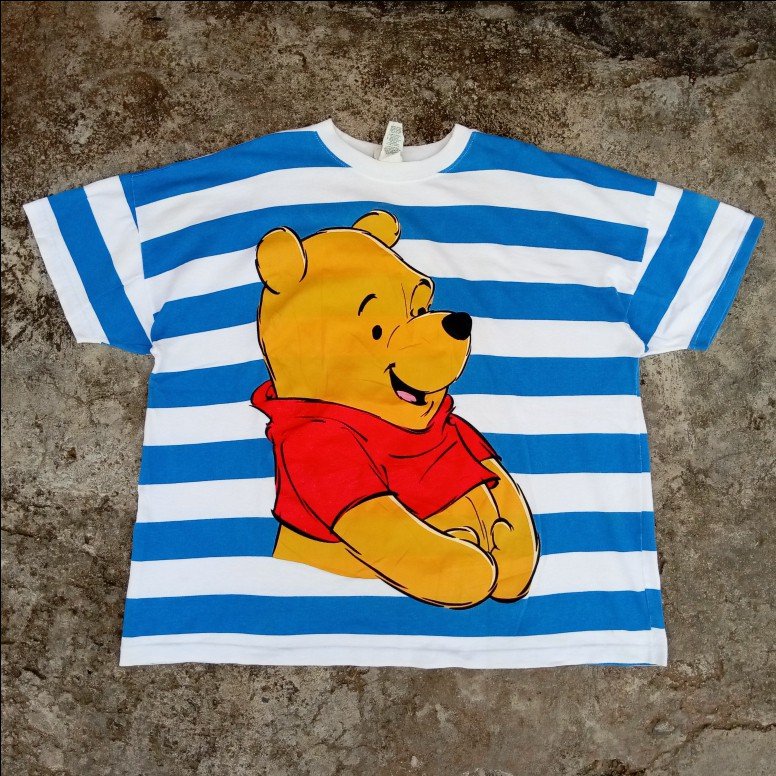
The world of Winnie the Pooh is a comforting embrace of childhood nostalgia, full of honey pots, blustery days, and loyal friends. But beyond the sentimental value, a thriving market exists for Identifying & Valuing Vintage Pooh Items, where a simple plush bear can range from pocket change to a significant investment. Whether you're a seasoned collector or a casual admirer curious about a beloved heirloom, understanding the nuances of Pooh collectibles is key to appreciating their true worth.
At a Glance: Key Takeaways for Vintage Pooh Valuation
- Age is Relative: "Vintage" Pooh often means pre-Disney standardization or early renditions.
- Brand Power: Look for tags from Steiff, Gund, Character Novelty Co., or Agnes Brush. Steiff is the gold standard for high value.
- Design Details: Original E.H. Shepard-inspired Poohs (Classic Pooh) are often lighter yellow, slender, and have visible stitching.
- Condition is Crucial: Mint condition can be worth 50-90% more than heavily worn items. Damage significantly devalues items.
- Original Extras: Red shirts, honey pots, packaging, and certificates dramatically boost value.
- Material Matters: Early Pooh bears often feature mohair, a coarse natural fiber, unlike modern synthetics.
- Beyond Plush: Collectibles extend to Funko Pop! figures, LEGO sets, and even McDonald's Happy Meal toys, each with its own valuation metrics.
The Hundred Acre Wood of Collectibles: Why Vintage Pooh Charms Us
From the moment A.A. Milne first penned his tales of the "bear of very little brain" in 1926, Winnie the Pooh has held a special place in our hearts. His enduring appeal stems from a blend of innocence, friendship, and timeless wisdom. For collectors, this translates into a quest for items that capture Pooh's original spirit, often predating the universally recognized Disney interpretation. The journey of collecting vintage Pooh isn't just about monetary value; it's about preserving a piece of literary and cultural history, a tangible link to the whimsical world of the Hundred Acre Wood.
If you’re ready to dive deeper into the world of charming collectibles, you might want to explore vintage Winnie the Pooh items and learn more about their history.
Deciphering Authenticity: Your First Steps to Identifying a Vintage Pooh
Before you can value a vintage Pooh item, you first need to identify it. This often means playing detective, scrutinizing details that tell the story of the item's origin and era.
The All-Important Tag: Your First Clue
The very first thing you should do when encountering a potential vintage Pooh is to check for a manufacturer's tag. This small label can be a treasure map, pointing to prestigious toy makers whose names alone signify quality and potential value. Look for:
- Steiff: This legendary German toymaker is synonymous with high-quality, collectible plush. Early Steiff Pooh bears, especially pre-Disney versions from the 1950s-60s, are among the most sought-after and valuable.
- Gund: Another long-standing and respected toy company that produced many beloved Pooh plush toys.
- Character Novelty Co.: Known for their early Pooh productions.
- Agnes Brush: Another key name in early Pooh plush manufacturing.
A bear with an intact, readable tag from one of these brands already has a significant leg up in the valuation process. Be wary if the tag is missing, illegible, or appears tampered with, as this can complicate identification.
The Classic Pooh Aesthetic: Design Cues to Look For
The Winnie the Pooh you likely grew up with, whether from books or animated films, might look different from earlier versions. The most valuable vintage Poohs are often based on the original E.H. Shepard illustrations, characterized by:
- Lighter Yellow Hue: Often a softer, less vibrant yellow compared to modern Disney versions.
- Slender Build: These Poohs tend to be less plump and have a more elongated, less cartoonish silhouette.
- Visible Stitching: You might notice more pronounced stitching, especially around the face and limbs, reflecting older manufacturing techniques.
- Subtler Features: Less exaggerated facial expressions and more subdued coloring.
This "Classic Pooh" look is a hallmark of pre-Disney or early Disney adaptations that stayed true to the source material.
Material Matters: Mohair vs. Modern Plush
The feel of the toy in your hands can also offer clues about its age. Early vintage bears often utilized mohair, a durable and luxurious fabric made from the hair of the Angora goat.
- Mohair: Feels coarser, slightly wiry, and has a distinct sheen compared to the soft, velvety texture of modern synthetic plush. It's also known for its longevity.
- Synthetic Plush: Most modern Pooh toys are made from synthetic materials like polyester, which are typically softer, more uniform, and less expensive to produce.
If your Pooh feels like it has a natural, slightly rougher texture, you might be holding an older, potentially more valuable piece.
Original Accessories & Packaging: The Full Ensemble
Just like a superhero needs their cape, a vintage Pooh sometimes comes with accessories that boost its appeal and value.
- Red Shirt: While Pooh originally didn't wear a shirt, his iconic red top became standard after Disney acquired the rights. An original, well-fitting red shirt can add authenticity to a Disney-era plush.
- Honey Pot: Any original, era-appropriate accessories like a miniature honey pot can be a bonus.
- Packaging & Certificates: The original box, hang tags, or certificates of authenticity are highly prized. They provide provenance and proof of the item's condition and limited-edition status. These elements can significantly increase an item's value, sometimes by hundreds or even thousands of dollars for very rare pieces.
What's Your Pooh Worth? A Collector's Valuation Guide
Once you've identified the potential age and origin of your Pooh item, the next step is assessing its monetary value. This is where a combination of objective criteria and market demand comes into play.
Condition is King: The Golden Rule of Collectibles
No matter how rare or old an item is, its condition will be the primary determinant of its worth. Collectors are meticulously focused on preservation, and even minor flaws can drastically reduce value.
- Mint Condition: As if new, with no visible signs of wear, fading, or damage. This is the ideal and commands the highest prices.
- Excellent Condition: Minor signs of age or handling, but largely pristine.
- Good Condition: Noticeable wear, minor stains, or slight fading, but still structurally sound.
- Fair Condition: Significant wear, tears, missing parts, or heavy discoloration.
- Poor Condition: Heavily damaged, broken, or incomplete.
The value of a vintage Pooh can decrease by 50-90% or even more for heavily worn or damaged items. A rare Steiff bear, for example, might be worth thousands in excellent condition but only a few hundred if it's tattered and worn. Always be honest and thorough when assessing condition.
Age and Rarity: The Scarcity Factor
Older doesn't always mean more valuable, but for Pooh, the earliest versions by renowned toy manufacturers before Disney standardized his look are generally the most sought after.
- Pre-Disney vs. Early Disney: Bears from the 1950s-1960s (pre-Disney or very early Disney licensing) are typically far more valuable than those from the 1980s, which might fetch $20-$30.
- Limited Editions: Items produced in limited quantities, often accompanied by a certificate of authenticity and a specific edition number, tend to hold their value and appreciate over time.
- Original Characters: Early depictions of Pooh, Piglet, Eeyore, and Tigger that closely match Shepard's illustrations are often more desirable than later, more commercialized versions.
The Steiff Legacy: The Gold Standard of Pooh Bears
When it comes to vintage Pooh, Steiff bears stand in a league of their own. This German toymaker has a reputation for unparalleled craftsmanship and historical significance.
- Early Steiff Pooh Bears (1950s-60s): These are the true jewels of Pooh collecting. In excellent condition, with original tags and a strong resemblance to the Classic Pooh, these can fetch anywhere from $1,000 to $5,000, sometimes even more at auction. Their scarcity and historical importance drive these high prices.
- Limited Edition Replicas: Steiff also produces limited edition replicas of their vintage designs. While not as valuable as the originals, these can still sell for $300-$800 on the secondary market, showcasing the enduring demand for the Steiff name.
- Record-Breakers: The legendary status of Steiff Pooh was dramatically illustrated in 2008 when a collection of five original Steiff toys belonging to Christopher Robin Milne himself (Pooh, Tigger, Eeyore, Kanga, and Piglet) sold for an astounding £121,000 (around $240,000) at auction. This highlights the immense value of items with direct provenance to the Milne family.
Beyond the Plush: Other Pooh Collectibles
While plush bears often dominate the conversation, the world of Pooh collectibles extends far beyond. Many other items, from popular culture phenomena to children's meal toys, have their own valuation metrics.
- Funko Pop! Figures: These stylized vinyl figures have a massive following.
- Standard Figures: Typically retail for $12-$15.
- Flocked Versions: Feature a soft, fuzzy texture and can sell for $30-$50.
- Convention Exclusives: Released in limited numbers at events like San Diego Comic-Con, these can fetch $50-$150+.
- Chase Variants: Rare versions with slight variations (like the Diamond Collection Pooh with glitter) are highly sought after and can sell for over $40.
- LEGO Sets: LEGO's intricate building sets also capture Pooh's charm.
- Retired LEGO Ideas Winnie the Pooh (21326): Originally retailed for $99.99, this highly popular set now sells for $120-$160 (new and sealed) on the secondary market, demonstrating the value of popular, retired sets.
- Smaller Duplo Sets: Aimed at younger builders, these typically range from $20-$40.
- McDonald’s Happy Meal Toys: While often seen as disposable, certain complete sets can become collectibles.
- Loose Toys: Generally sell for $1-$3 individually.
- Complete, Sealed Sets: Specific promotions, like the complete set of 8 toys from the 2000 "Tigger Movie" series, sealed in their original bags, can sell for $25-$40. Rarity and demand for a specific theme drive these values.
Navigating the Market: Where to Find and Sell Your Pooh Treasures
Whether you're looking to expand your collection or find a new home for a beloved item, knowing where to buy and sell is crucial. The market for new items differs significantly from that of vintage pieces.
For New Items: Reliable Retailers
If you're seeking the latest Pooh plush or a brand-new collectible, these are your go-to sources:
- shopDisney (Disney Store): The official source for high-quality, screen-accurate, and often exclusive Disney Pooh items. Expect prices in the $20-$50 range for standard plush, or $75-$200+ for jumbo sizes.
- Major Retailers (Target, Walmart): Offer more budget-friendly, play-focused toys from brands like Just Play and Mattel, typically under $20 for smaller plush.
- Amazon: A vast marketplace with a wide range of new Pooh items. Always check seller ratings and reviews to ensure authenticity.
- Specialty Toy Stores (e.g., FAO Schwarz): Often carry premium or unique items, including higher-end GUND plush, reflecting their curated selection.
For Vintage Gems: Hunting for History
Finding truly valuable vintage Pooh items requires a more specialized approach and a keen eye.
- eBay: The largest online marketplace for collectibles. It's a fantastic resource for everything from a $20-$30 1980s plush to more valuable Steiff pieces. Be sure to research sellers thoroughly, check their feedback, and ask for detailed photos and descriptions.
- Etsy: Often a good source for "Classic Pooh" items, handmade interpretations, or sellers who specialize in vintage toys. Many sellers are knowledgeable collectors themselves.
- Collector Forums & Facebook Groups: Joining online communities dedicated to Winnie the Pooh or vintage toy collecting can be invaluable. You can directly buy or trade with knowledgeable collectors, often finding unique items that don't make it to broader marketplaces. These communities also offer a wealth of information and expert opinions.
- Auction Houses (Christie’s, Sotheby’s, Vectis): For the extremely rare, high-value items, such as original Steiff bears from the 1950s or items with significant historical provenance, major auction houses are the primary venue. These sales often involve expert authentication and can command significant prices.
Common Misconceptions & Pitfalls to Avoid
The world of vintage collecting can be exciting, but it's also ripe with potential missteps. Here's what to watch out for:
- "Any Old Pooh is Valuable": Not every old Winnie the Pooh toy is a treasure. Mass-produced plush from the 1990s or early 2000s, while nostalgic, typically holds minimal monetary value unless it's a very specific limited edition in mint condition.
- Ignoring Condition: Overlooking flaws or downplaying damage is a common mistake. Even minor issues can drastically impact an item's worth. Always assess condition honestly and meticulously, or seek a professional appraisal for high-value items.
- Not Researching Provenance: For truly high-value pieces, understanding the item's history, who owned it, and where it came from (provenance) can add significant value and authenticity. Don't be afraid to ask sellers for details and documentation.
- Falling for Fakes or Reproductions: Especially for coveted brands like Steiff, reproductions or outright fakes exist. Always verify authenticity through tags, materials, and design details, and buy from reputable sellers or auction houses.
- Impulsive Buys: In the excitement of finding a potential gem, it's easy to overpay. Take your time, compare prices, and do your research before making a purchase.
From Collector to Curator: Building Your Own Hundred Acre Wood Collection
Collecting vintage Pooh items is a rewarding journey that connects you to a timeless literary character. From the thrill of identifying a rare Steiff bear to the joy of discovering a beloved childhood toy, each piece tells a story.
Remember, the true value of a collectible often goes beyond its monetary price tag. It's in the memories it evokes, the history it represents, and the passion it ignites. By understanding the key factors in identifying and valuing vintage Pooh items – the tags, the design, the materials, the condition, and the market – you can confidently navigate the Hundred Acre Wood of collectibles, building a collection that brings you lasting joy. Happy hunting, and may your adventures be as rich and full as a pot of honey!